HONGJI > AI - Page Sitemap > excellent lecture hall chairs elegant supplier for university classroom
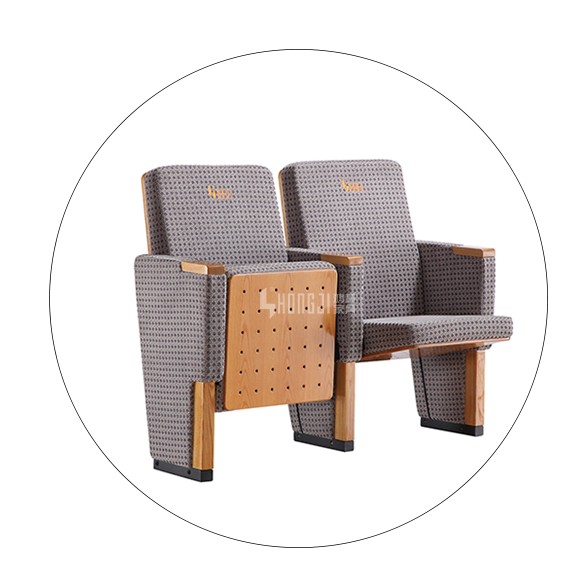
excellent lecture hall chairs elegant supplier for university classroom
High quality raw materials: When HONGJI is created, they are carefully selected from reliable industrial suppliers to ensure their longevity. Also, many trials are carried out to select the right material before they enter the factory. It is resistant to a wide range of chemical reagents
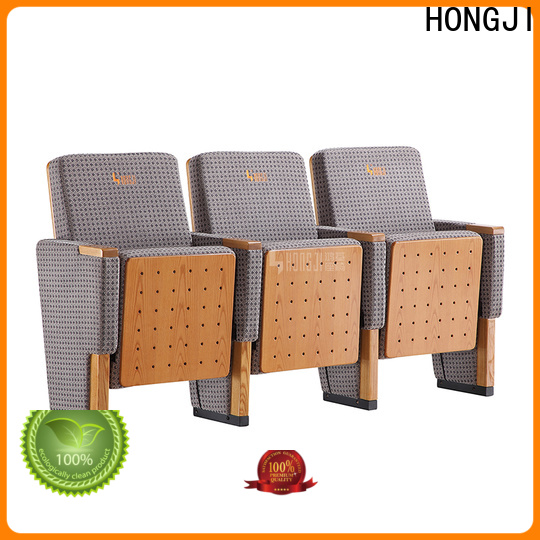
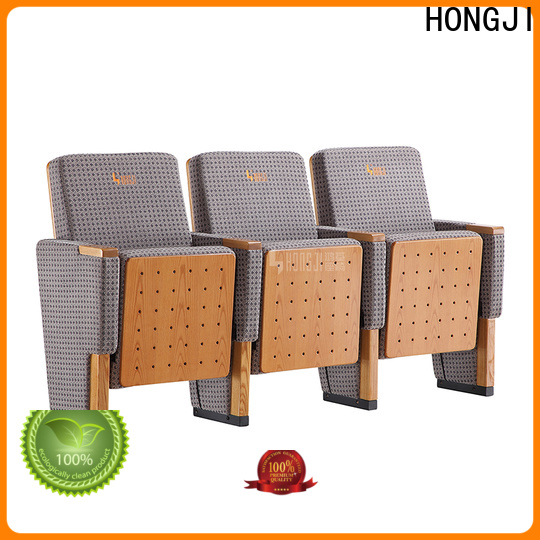
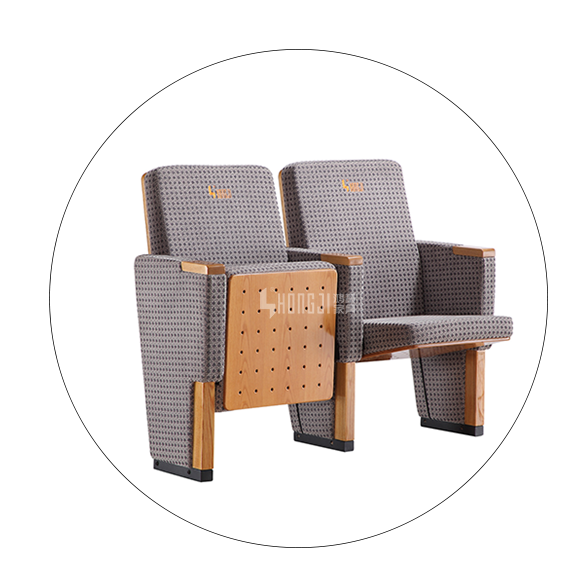
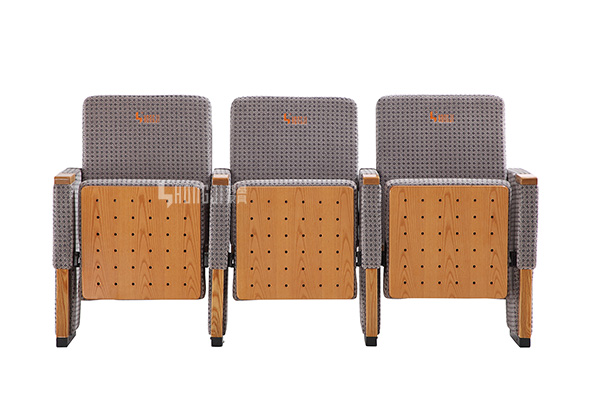
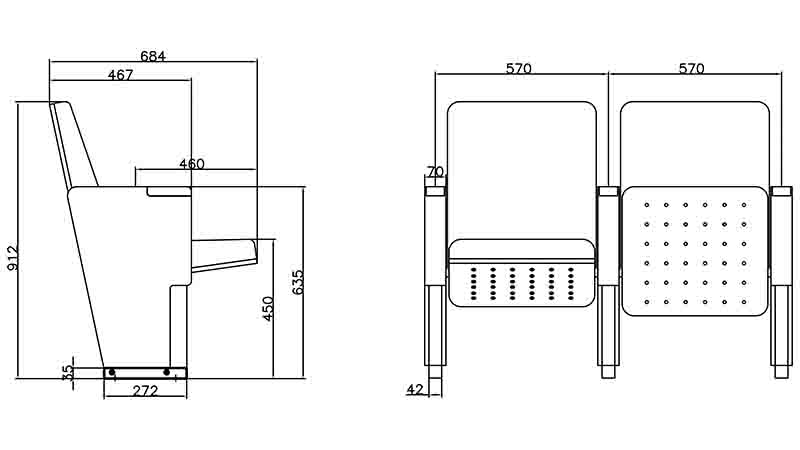
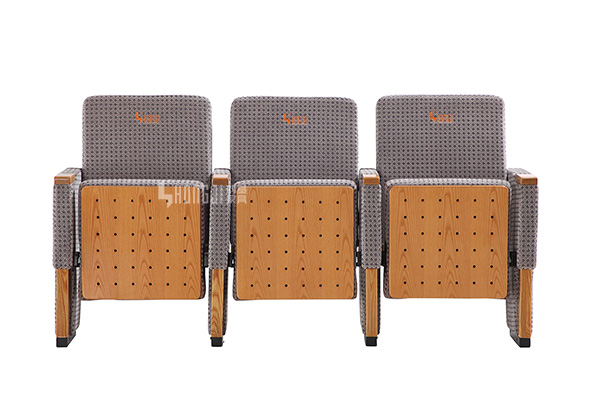
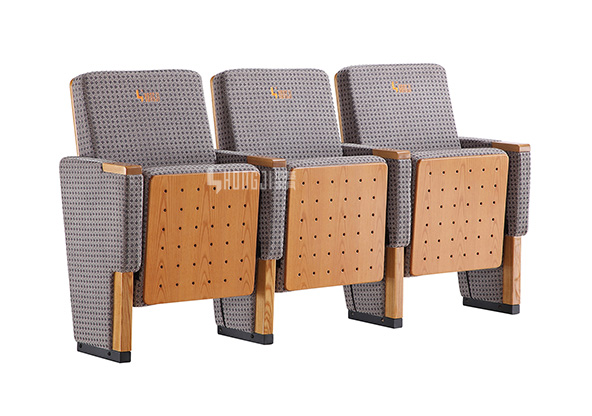
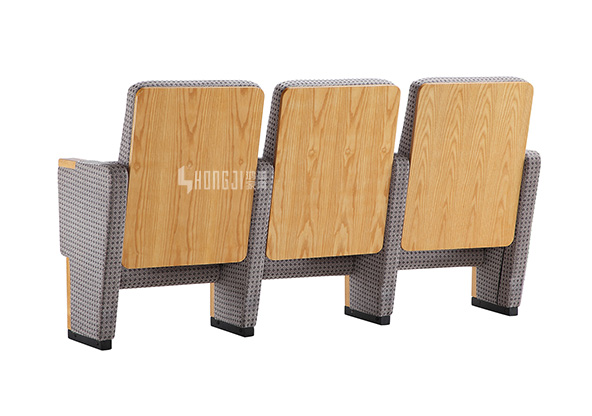
cold molded injection polyurethane foam. Rear seat and back panel made of multilayer wood veneer thickness 15mm
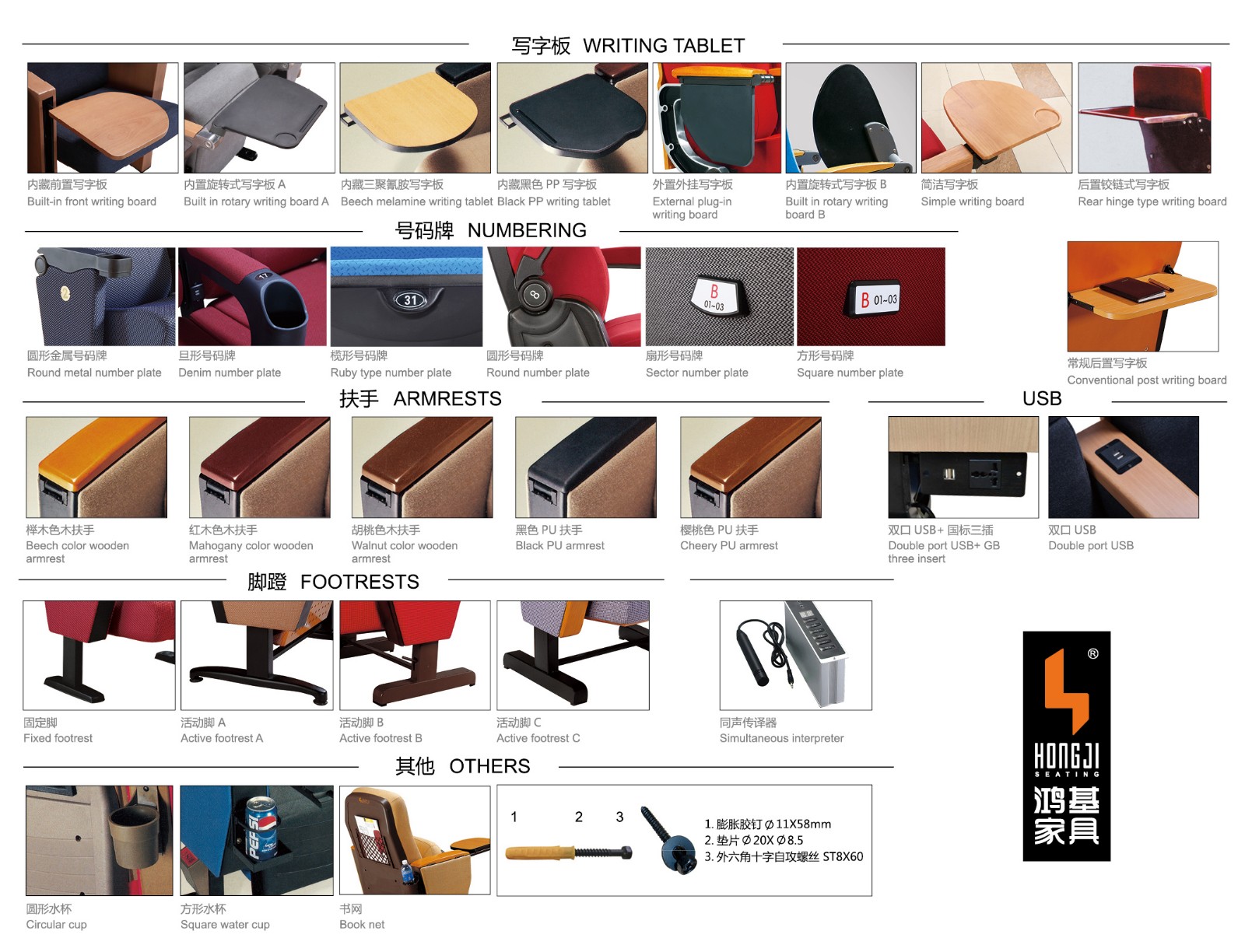
Armrest
combination of oak wood and upholstered fabric
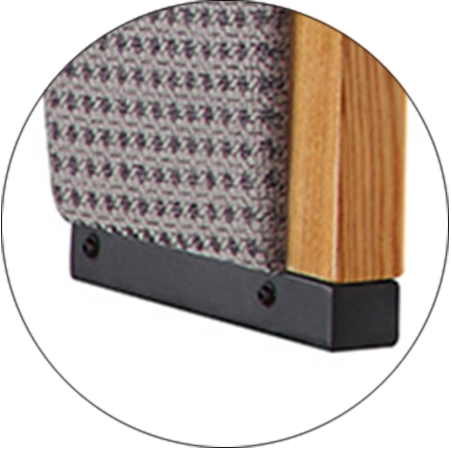
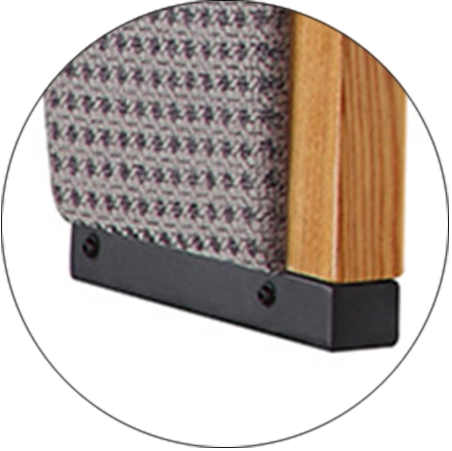
Footrest
steel leg plate
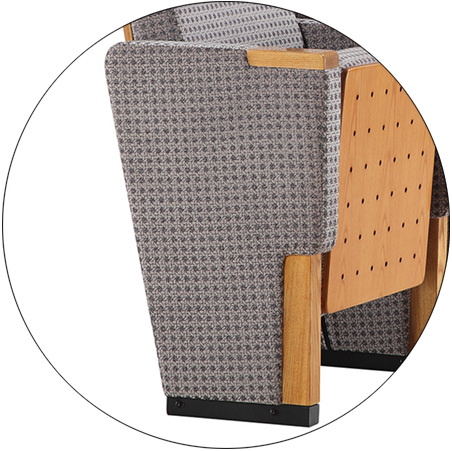
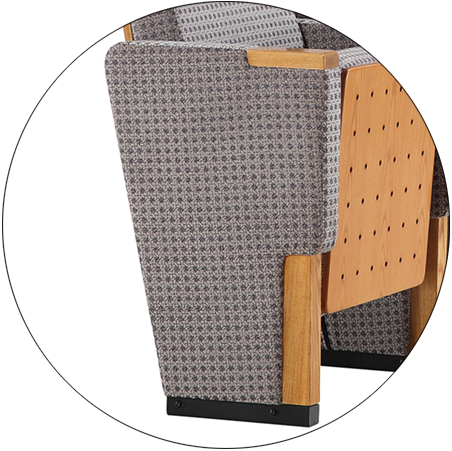
Side panel
Side panel padded and upholstered.
High quality fabric
The fabric is effectively flame retardant, antifouling and has a long service life
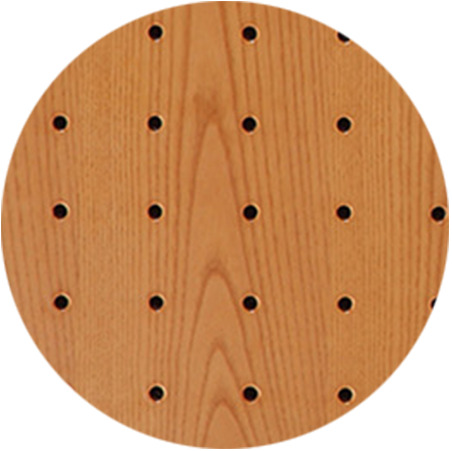
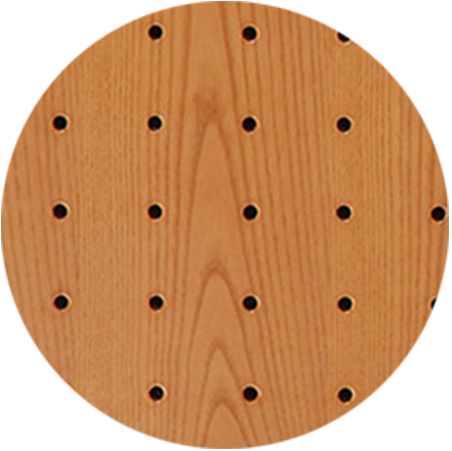
Seat panel perforated
Acoustically friendly
❈ About Hongji
❈ Related Products

i******x
The design team of HONGJI keeps a close eye to the trend of the product so that the ever-changing market needs can be met. It can be designed to have a narrow width, reinforced edge, etc
f******y
HONGJI are manufactured from best quality materials, which are procured from reliable manufacturers. It supports printing of logo, patterns, and pictures
q******q
The production of HONGJI aligns with SOP (Standard Operating Procedure).卖点、特色句]
v******q
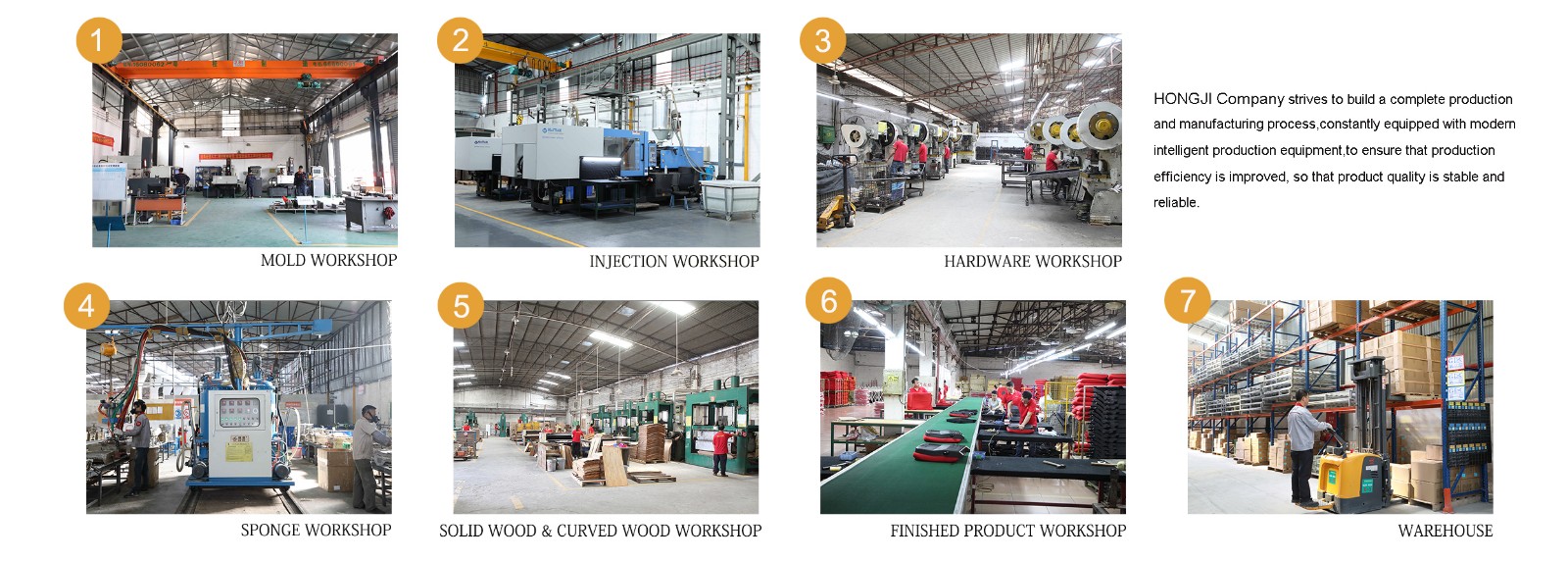
Standard manufacturing: HONGJI is manufactured adopting the highest production standards at home and abroad. These standards include quality production system and operating system. It is designed base on our 20+ years of R&D experience
l******b
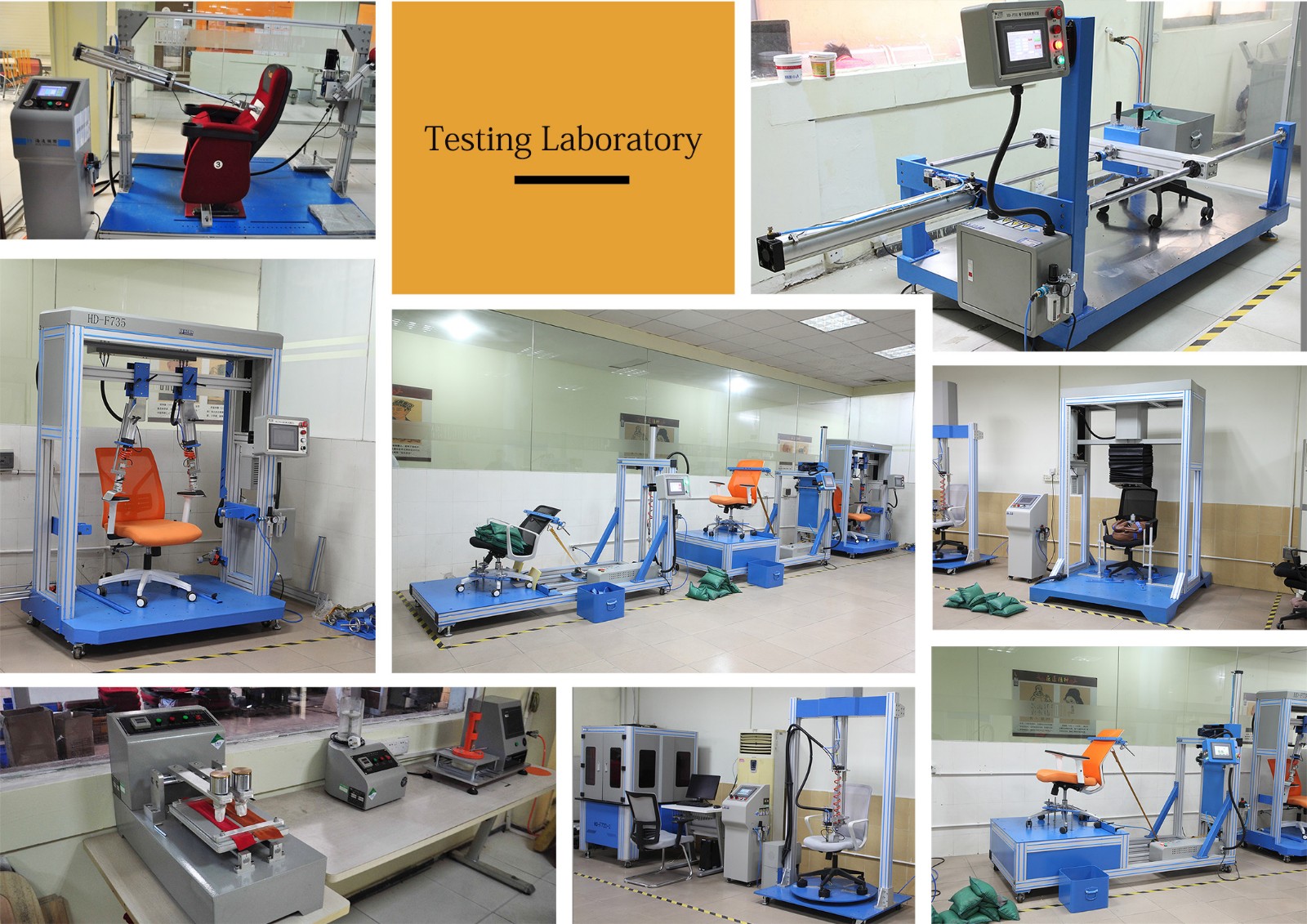
Dedicated R&D team: our R&D members are elites who have been engaged in the manufacturing of HONGJI in the industry for many years. They have rich experience are dedicated to solving technical problems of the product. It has good heat resistance with a melting point of 164~170 °C
u******n
Being well sealed, it serves as a protective shell. It blocks water vapor, dust, etc. from contacting the items being packaged. The high crystallinity endows it with a good anti-corrosion effect